Buy business jets.
Sell them by the part.
A physical asset built to pay you back early.
Ascend Aircraft Fund owns business jets that a 30-year aircraft parts operator takes apart and sells piece by piece. We are targeting your capital back in 18 to 24 months, so it can go back to work while the fund keeps paying.
Accredited investors only. Two classes: $50,000 minimum & $250,000 minimum. First installment due November 27, 2026.
The return matters. So does how fast it comes back.
Most private real estate pays you at the end. Your capital sits in the deal for five to seven years and comes back at a sale or refinance.
This works the other way around. A business jet is worth more in pieces than whole, and the highest-value parts sell first. Most of the targeted cash arrives in the first three years, so your capital can come back and go to work again while the fund keeps paying. That is why the IRR is so high.
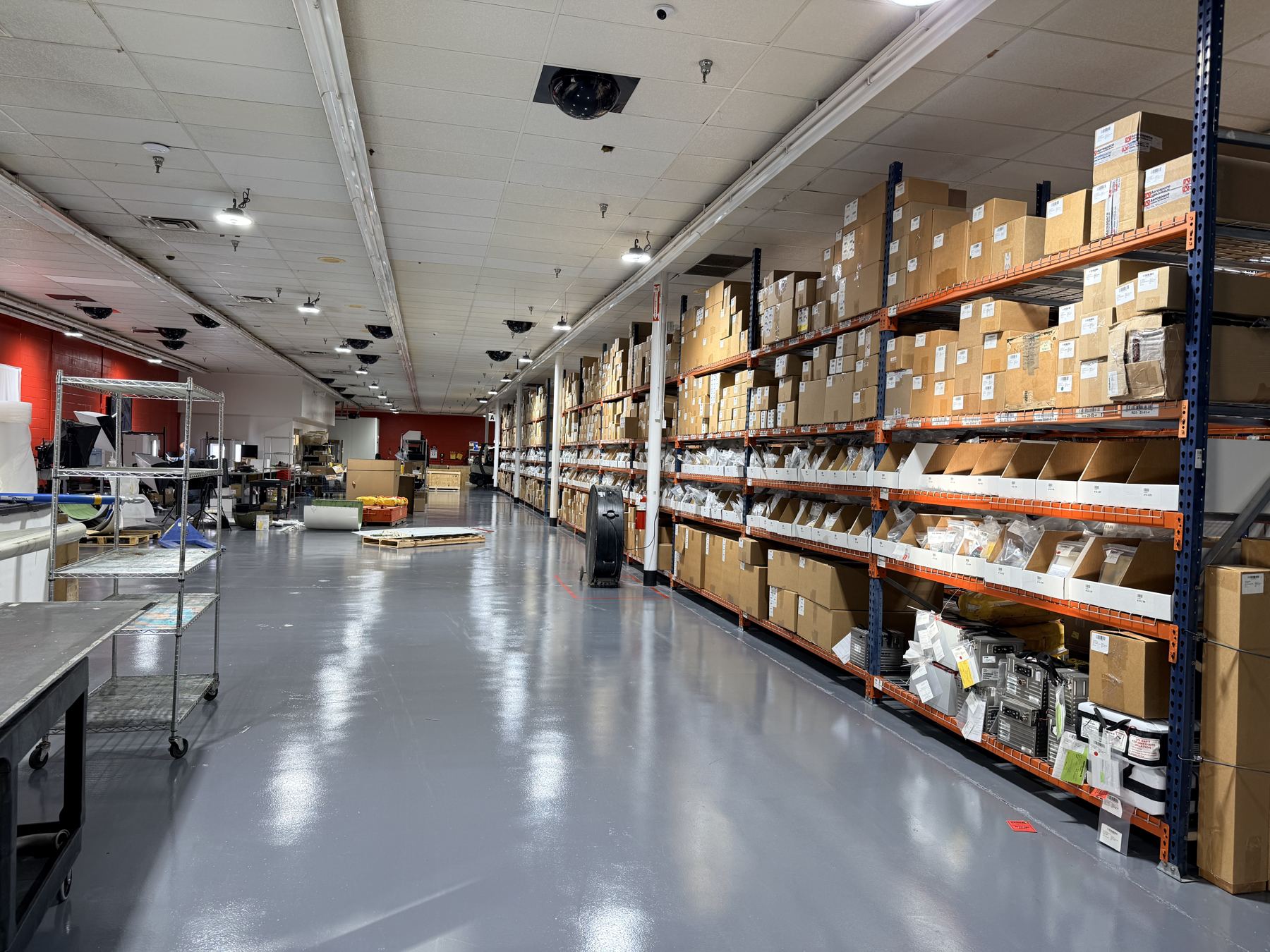
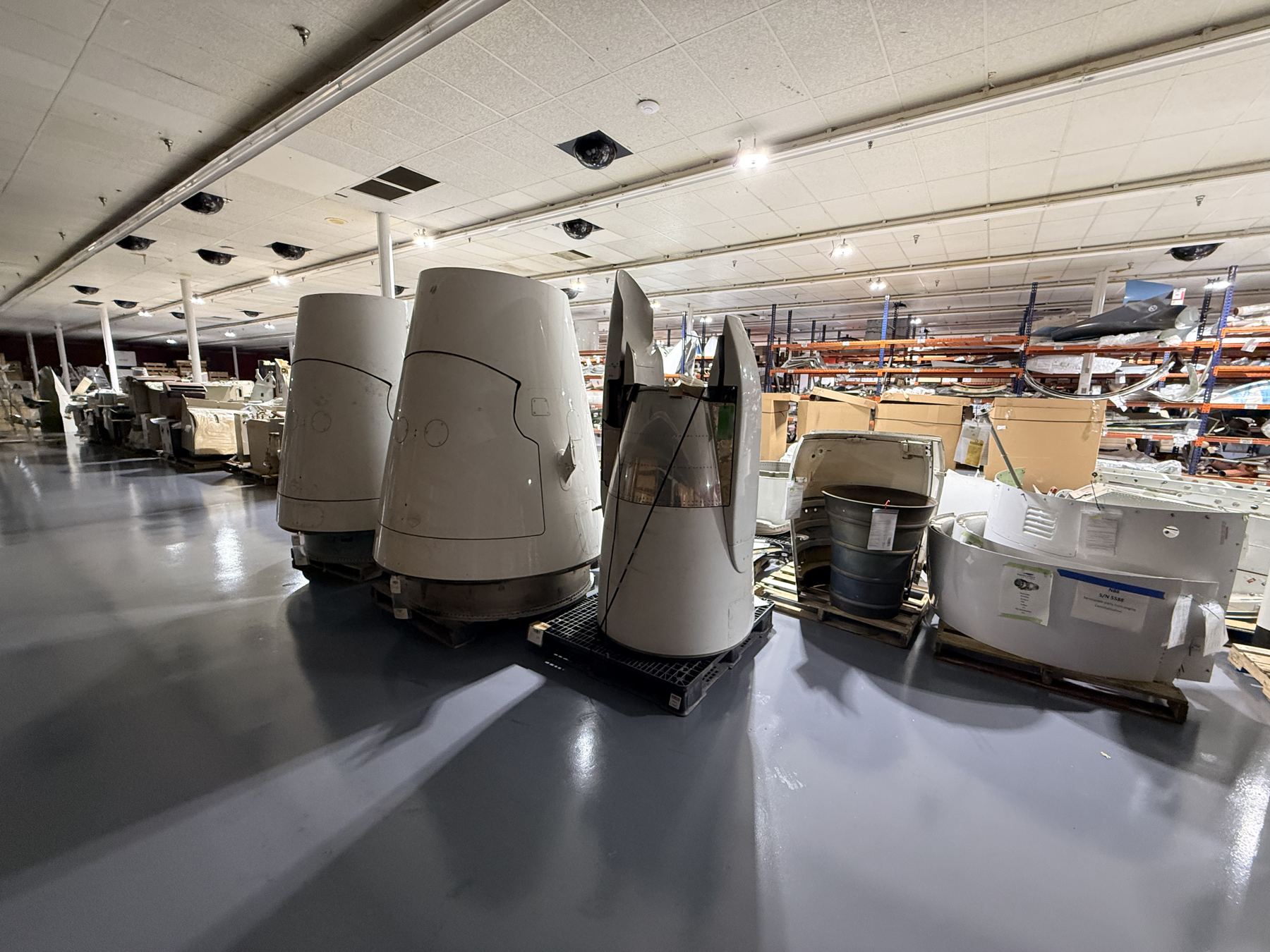
It is still something you own: real aircraft and real parts, inspected, tagged and shelved in a warehouse you can walk through. We did.
| Typical value-add real estate | Ascend Aircraft Fund | |
|---|---|---|
| Capital back | At sale or refinance, often year 5 to 7 | Targeted in 18 to 24 months |
| Cash flow | Back-loaded | Front-loaded, most targeted in years 1 to 3 |
| What you own | A building | Business jets and their parts inventory |
| After payback | Waits for the exit | Goes back to work and compounds |
The power of putting the same capital to work again.
InvestYear 0
Recover capitalTargeted in 18 to 24 months
ReinvestIn the next opportunity, if you choose
This is a sample comparison, not a forecast. The three paths use different return and cash-flow assumptions, not just different payment timing. The results differ because of both the return and how early the cash comes back to be put to work again.
- Stocks: compound at 8% a year, with all gains reinvested.
- Real estate: targets 2.1x, paid at the end of each 5-year hold. The same $500,000 is reinvested; profits are taken as cash.
- Ascend: targets 2.1x over about 5 years, with capital back in about 18 months. The same $500,000 is reinvested each time; profits are taken as cash.
*Unlike the stock example, the real estate and Ascend paths do not compound their profits. Only the original $500,000 is put back to work. Click here to see the compounding comparison.
Stock market$1.08M
Two 5-year deals, back to back$1.56M
Ascend approach$3.62M
Illustrative only, not a forecast or a guarantee. All aircraft figures are targets. Assumptions: each aircraft fund targets 2.1x on invested capital (the Class A target), with capital back in about 18 months and the profit paid over the following 42 months, about 5 years in total. Each time the $500,000 comes back, it is reinvested in a new aircraft fund about 3 months later, so a new fund starts about every 21 months; profits are taken as cash and not reinvested. Assumes a new fund is open each time and performs the same. The real estate comparison targets the same 2.1x, paid at the end of each 5-year hold; the $500,000 goes into a second deal 3 months after the first pays out, and profits are taken as cash. Stocks compound at 8% a year with all gains reinvested. Money still invested at year 10 is valued at its remaining targeted payments, discounted at 15% a year. Reinvestment in later funds is shown for illustration only: each future fund is a separate offering and a separate investment decision, and distributions are not automatically reinvested unless the governing documents provide for it. Pre-tax.
See how this could fit your portfolio.
Fifteen minutes with Tim on the numbers, the risks and the timing.
A niche the big players skip
If the returns are this strong, why isn’t everyone doing it? Because it takes a combination most investors and operators don’t have.
Few know it exists
Aircraft part-outs are a niche segment. Most investment groups have never looked at it.
A sales channel
Parts only turn into cash if you have buyers. APD sells to about 2,300 customers and handles over 1,000 automated quotes a day.
Know-how
APD has OEM data and 20+ years of experience to know which aircraft and parts are in demand.
Too small for the OEMs
Manufacturers buy parts from APD and sell it airframes, but a $3M airframe is not worth their time to part out.
Capital is scarce
Banks rarely lend on an aircraft that is being torn down, so smaller players can’t fund deals. Investor equity fills that gap.
As described by APD.
Five steps from airplane to distribution
Buy
$18.0M all-in for three jets: $9.0M of equity and $9.0M of bank loans.
Bombardier buys first
Bombardier buys the Learjet 45’s engines back for $1.8M and $2.0M of Global Express 6500 parts, within about 90 days.
Take them apart
A specialist shop removes the parts. They are inspected, tagged and shelved in APD’s Kansas warehouse.
Sell
APD sells the parts to its business jet customers over several years. Sales repay the bank loans first.
Distribute
You are paid quarterly as parts sell. No waiting for a final sale.
Three aircraft, one investment
You invest in all the aircraft as one pool through APD Purchase Three, LLC, not in any single plane.
| Aircraft | Price |
|---|---|
| Bombardier Global Express 6500 airframe | $4.8M |
| Learjet 45, with engines | $2.2M |
| Third aircraft, expected to be a Global Express, closing early 2027 | about $10M |
| Total project cost, with teardown and fees | $18.0M |
| Key facts | |
|---|---|
| Equity / bank loans | $9.0M / $9.0M |
| Operator investing alongside you | $4.5M, half of the equity |
| Bombardier purchases | $3.8M within about 90 days: $2.0M of parts plus a $1.8M engine buyback |
| Installments | 50% by Nov 27, 2026 and 50% by Dec 20, 2026 |
| Distributions | Quarterly, starting around January 2027 |
| Expected hold | About 5 years, most cash in the first 3 |
| Offering type | Rule 506(c), accredited investors only |
Fund terms
| Class A | Class B | |
|---|---|---|
| Investment size | $50,000 to $249,999 | $250,000 and above |
| Targeted IRR | 48% | 60% |
| Targeted equity multiple | 2.1x | 2.3x |
| Targeted capital back | About 22 months | About 20 months |
| Distributions | Quarterly, as parts sell | |
| Investor split and fees | Being finalized. Class B receives a larger share of distributions than Class A. Final terms will be in the offering documents. | |
Targeted IRR and equity multiple are after all fees, from the Vestus Capital fund model (base case), which assumes these aircraft sell about 80% to 85% of what APD’s past comparable aircraft sold. APD’s own target is higher. Targets are estimates, not guarantees.
Troy Palmer has spent three decades in business-jet parts
From a 48,000 sq ft facility in Wichita, Kansas, Aircraft Parts Distribution (APD) sells new manufacturer parts to about 2,300 customers worldwide under agreements with Textron, Bombardier and Mitsubishi. Used teardown parts move through the same warehouse, systems and customers at far higher margins: 70% to 90%, versus 10% to 15% on new parts, as reported by APD.
A source of aircraft and a committed buyer
Bombardier regularly takes used jets back from customers, but tearing them down is not its business. It sells them to APD, APD parts them out, and Bombardier buys back the parts it needs for its spares inventory. Bombardier also calls on APD to source parts for its own customers, because APD moves faster than a large manufacturer.
Track record
How APD’s past aircraft have performed
capital back in 13 mo
capital back in 4 mo
capital back in 6 mo
capital back in 12 mo
capital back in about 10 to 11 mo (APD est.)
capital back in 34 mo
capital not yet back
As reported by APD, through August 2026, after APD’s fees. These are APD’s aircraft results, not investor returns, and exclude fund manager fees. Unsold inventory values are APD estimates. Months to return capital are at the fund level, per APD. Global 9160 was bought with a $1.8M bank loan, since repaid, and its figures count that repayment as cash collected. * Many parts on the two Learjet 31s were damaged at an outside teardown shop; APD has since changed shops and added damage terms to its contracts.
Troy Palmer and APD are investing $4.5M in this fund, half of its equity.
The team
Who is running it
Troy Palmer
30+ years in aircraft parts. Sold Global Parts Group to VSE in 2021.
Daniel Backing
A CFO-level finance executive who invests alongside investors and runs the fund for APD.
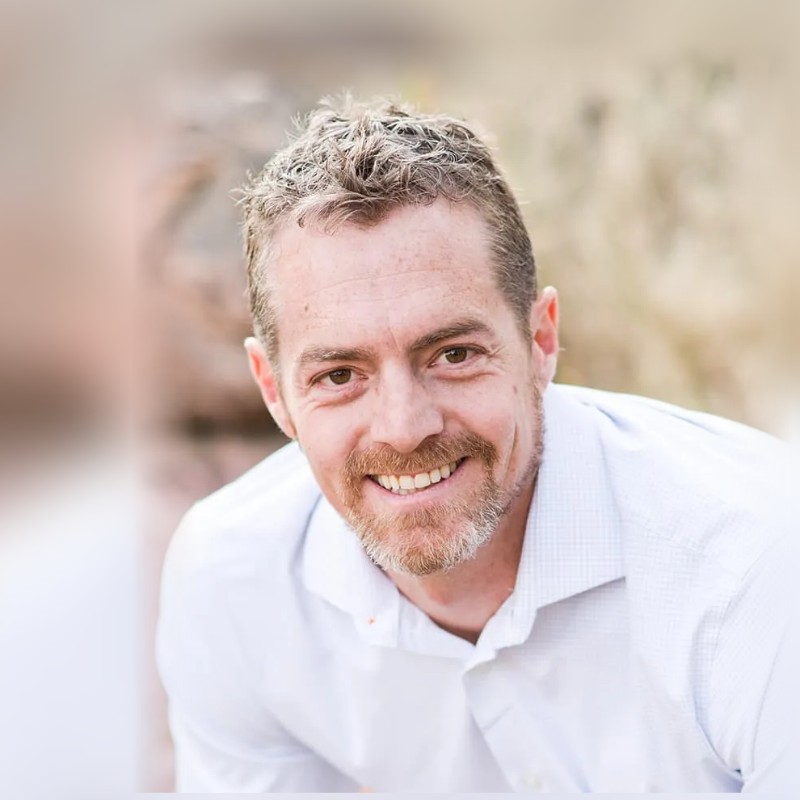
Flint Jamison
20+ years as an aerospace engineer at Boeing: 787 wing structure, then a $120M military aircraft modification program. Manages the fund alongside Oak Street Assets.
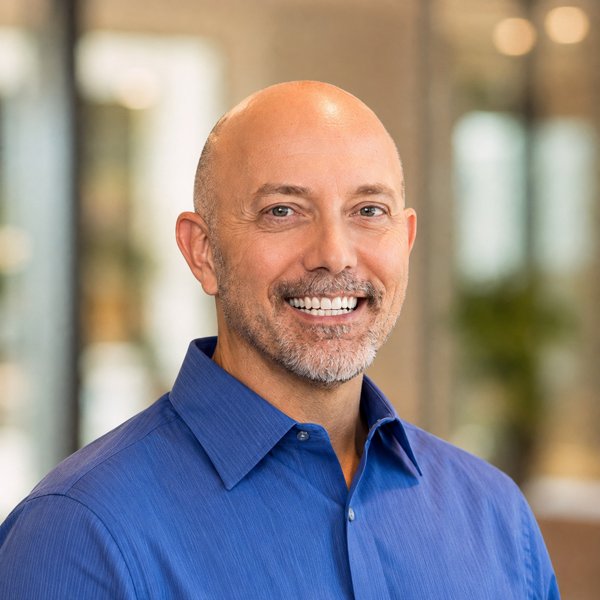
Tim Fergestad
Tim brings a strategic, analytically driven approach to investing. He personally visited APD’s operations to evaluate the team and business before bringing this opportunity to Oak Street Assets investors.
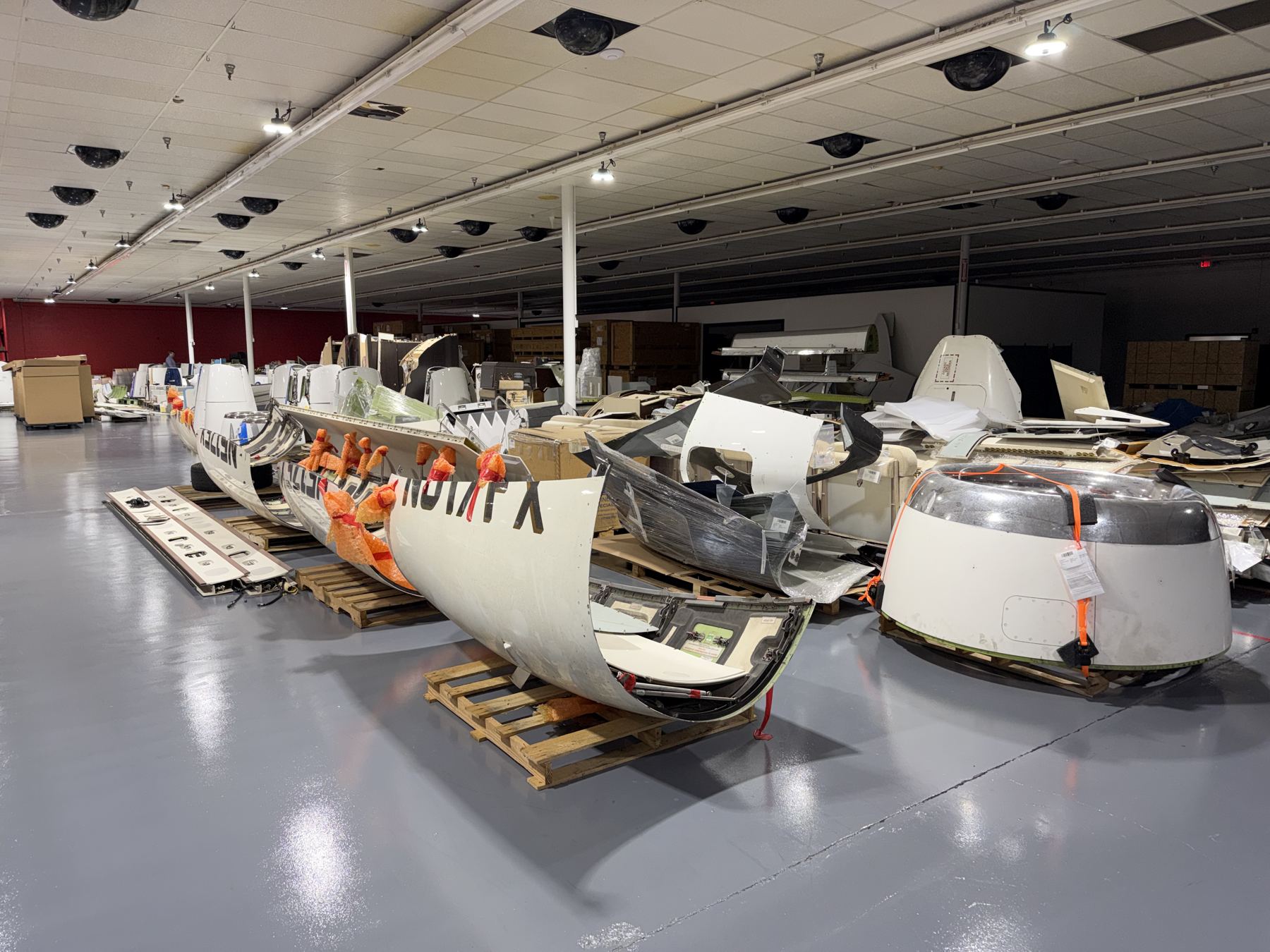
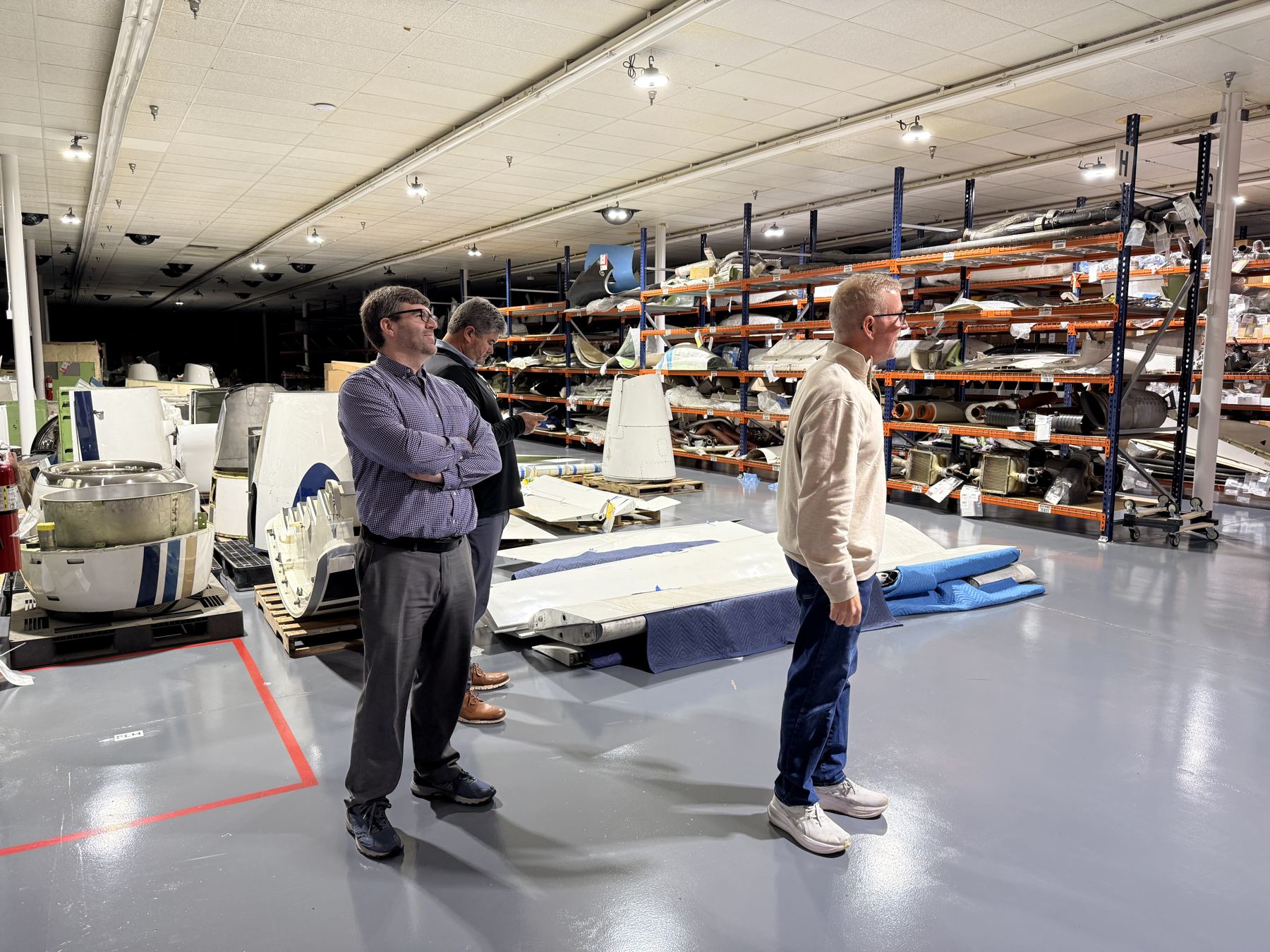
We went to Kansas and walked the floor
Oak Street Assets is partnering with Vestus Capital on Ascend. Before offering it to you, we spent time on site in Wichita, Kansas in November 2026 with Troy Palmer, Dan Backing and the APD team.
What we saw
- Every part is documented. Parts are photographed from all angles on arrival, and cameras record each one being pulled and packed. If a buyer claims damage, APD has proof of its condition when it shipped.
- Demand is ahead of supply. APD carries a backlog of customer orders, so high-demand parts often ship the same day they arrive.
- Single parts carry real value. One main wheel and tire assembly from a Global 6500 sells for about $140,000. We confirmed this with Troy and checked it against current market listings.
- More control is coming. APD is building its own in-house Part 145 teardown and repair facility, so it can control each teardown and repair damaged parts to raise their resale value.
- Disciplined growth. Troy grows only as fast as his team and facility can support, and has walked away from attractive aircraft deals he was not confident his team could execute.
What we checked
- Troy’s 2021 sale to VSE confirmed in VSE’s SEC filings
- Independent background checks on APD, Troy Palmer and Daniel Backing
- Outside review of the fund model, rebuilt on APD’s actual sales history
- Review of APD’s signed loan agreement and a third-party appraisal of parts inventory
This offering, and the ones that follow.
Good aircraft come up fast, and the operator needs ready capital to move on them. Ascend gives OSA investors a recurring way in, and a place to put capital back to work as it comes home, if they choose to.
Three aircraft
Global Express 6500, Learjet 45 and a third aircraft closing in early 2027.
Future aircraft purchases
More purchases are planned as APD finds the right aircraft. The number and type of aircraft will vary from one purchase to the next. Each is a separate offering with its own terms.
How this offering differs from future ones. This offering funds the three aircraft above, on the terms in its offering documents. Each future aircraft purchase will be a separate offering, with its own documents, terms and risks.
You decide on each one separately. Investing now does not commit you to any future offering, and your distributions from this fund are paid to you. They are not automatically reinvested in a later fund unless the governing documents provide for it.
What we are watching
Every investment has trade-offs. These are the ones we weigh most.
- The third aircraft is not yet under contract. It is the largest of the three, at about $10.4M of the $18.0M.
- Sales pace. If these aircraft sell about 60% of what APD’s past aircraft did, investors get about 1.3x to 1.5x back, and capital takes about 3 years to return.
- No independent appraisals yet on the three airframes.
- One operator. Results depend on APD’s teardown and sales. APD is owned by Troy Palmer, and two of the aircraft are bought from APD at cost.
- Linked bank loans. The loans are secured by APD Purchase One, Two and Three together, and banks are repaid before investors.
- Teardown quality. Many parts on two past Learjet 31s were damaged at an outside teardown shop. APD has since changed shops, added damage terms to its contracts and is building its own in-house teardown and repair facility.
- Illiquid. No redemptions and no secondary market.
Common questions
Who can invest, and what is the minimum?
Accredited investors only, with a $50,000 minimum. Class B starts at $250,000. This is a 506(c) offering, so your accredited status is verified through a CPA, attorney, licensed advisor or broker-dealer letter, or with two years of tax or wage statements.
When is my money due?
In two equal installments: 50% by November 27, 2026 and 50% by December 20, 2026.
When do distributions start, and how often?
Quarterly, as parts sell, starting around January 2027. You get quarterly account reports and annual financial statements.
Is my money automatically reinvested in future aircraft funds?
No. Each future aircraft purchase is a separate offering with its own documents and terms, and you decide whether to invest in each one. Distributions from this fund are paid to you and are not automatically reinvested unless the governing documents provide for it.
What do targeted IRR and equity multiple mean?
Equity multiple is the total cash you get back divided by what you put in: 2.1x means $210,000 back on $100,000. IRR also counts how fast that cash comes back. Because most of the cash is targeted in the first few years, the IRR is high relative to the multiple.
Can I invest with my IRA or Solo 401(k)?
Generally yes, through a self-directed custodian. Part of the income may be taxable inside the account as unrelated business income, filed by the account on Form 990-T. Losses stay inside the account: they do not pass through to your personal return, but they can be carried forward to offset future taxable income from this same investment. Talk with your tax advisor about how this fits your situation. OSA’s affiliate custodians offer OSA investors discounted pricing.
How is the income taxed?
You will receive a Schedule K-1 each year, which may not be final until after April 15, so plan on an extension. Income from parts sales is expected to be ordinary income rather than capital gains.
How long is my money tied up?
The expected hold is about five years, with most targeted cash in the first three. The investment is illiquid: there are no redemptions and no secondary market.
How do I invest?
Book a 15-minute call with Tim if you have questions, then click Invest Now to review the offering documents, verify your accredited status, sign and fund your first installment in the OSA investor portal.
Get your capital back sooner, and put it back to work
The first installment is due November 27, 2026, and space is limited.
